Movement Assymmetry School
Movement asymmetry is a natural part of human life, but it’s important to recognize when it may be a warning sign of an underlying condition. Asymmetry severity is often expressed in percentages, and the significance depends on the cause, onset speed, and impact.
Asymmetry Severity Table
| Severity | Range | Meaning | Examples |
| Mild | 5-10% | Physiological, normal | Dominant hand stronger |
| Moderate | 10-15% | Should be monitored | Athletic overuse |
| Severe | 15-25% | Clinical intervention may be required | Post-injury condition, brain disorder |
| Critical | >25% | Immediate medical attention recommended | Stroke, sudden paralysis |
Neurological Diseases
Stroke
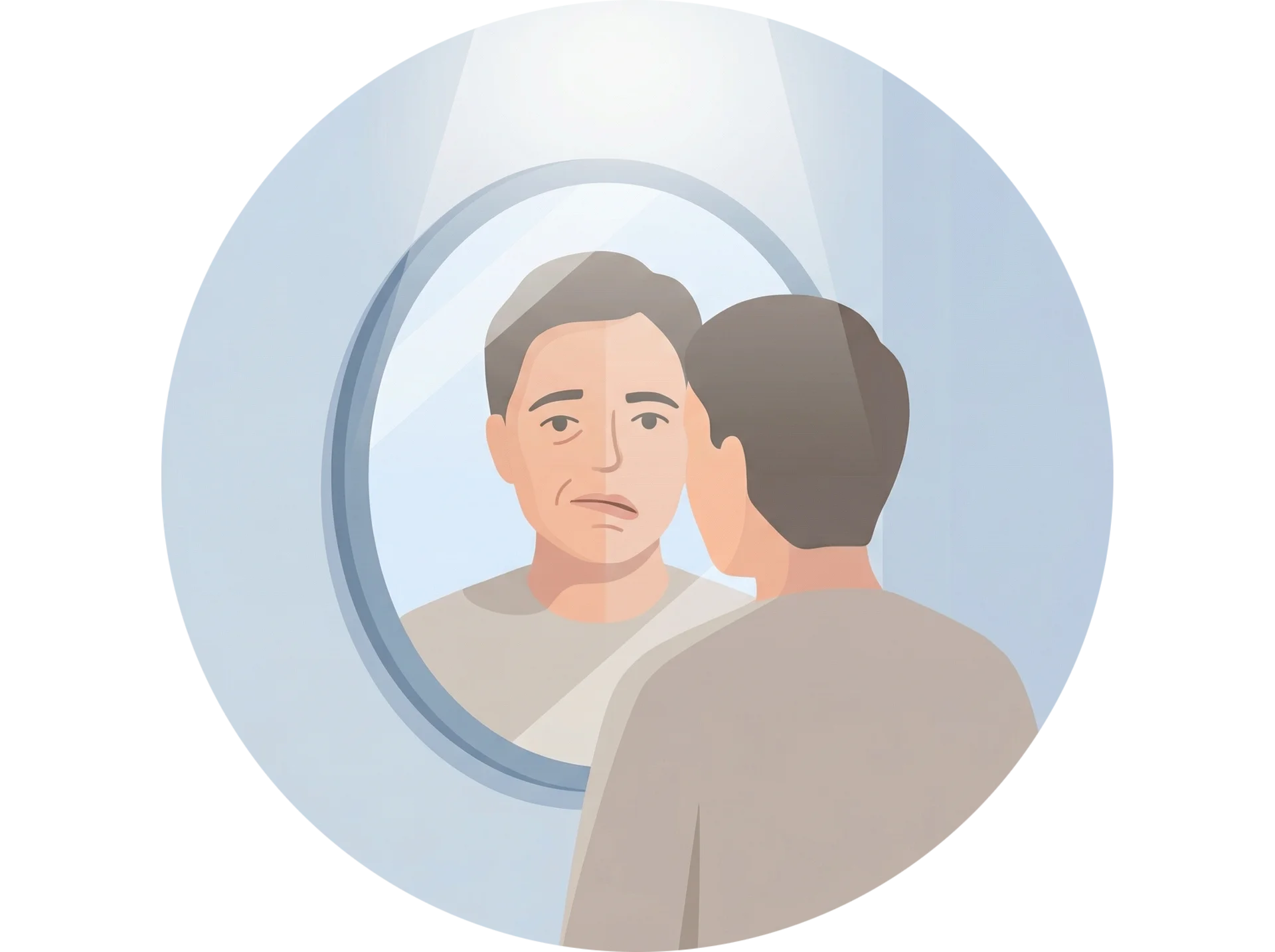
- Oxygen deprivation to part of the brain causes loss of function on one side—weakness (hemiparesis) or paralysis (hemiplegia).
- Asymmetry: 25-100% loss of movement on affected side
- Risks: Lasting disability, walking, speech, self-care challenges
Parkinson’s Disease
- Unilateral symptoms at onset, asymmetric arm swing and stiffness.
- Asymmetry: 15-30% side difference
- Risks: Mobility decline, falls, loss of independence
Multiple Sclerosis (MS)
- Frequently presents with unilateral limb weakness, asymmetric lesion distribution.
- Asymmetry: 10-40% performance drop in limbs
- Risks: Worsening balance, fatigue
ALS
- Often starts with one side, gradually spreads.
- Risks: Rapid decline, eventual loss of self-reliance
Other (Wilson's, Alzheimer’s)
- Cognitive and physical asymmetries (e.g., faster left-hemisphere atrophy in Alzheimer’s).
Musculoskeletal Diseases
Dystrophies and Myopathies
- Asymmetric muscle weakness
- Assymetric muscle distribution (e.g., upper limb dominant)
Other
- Brain tumors, infections, spine injuries
- Can all cause marked asymmetry in limbs and function.
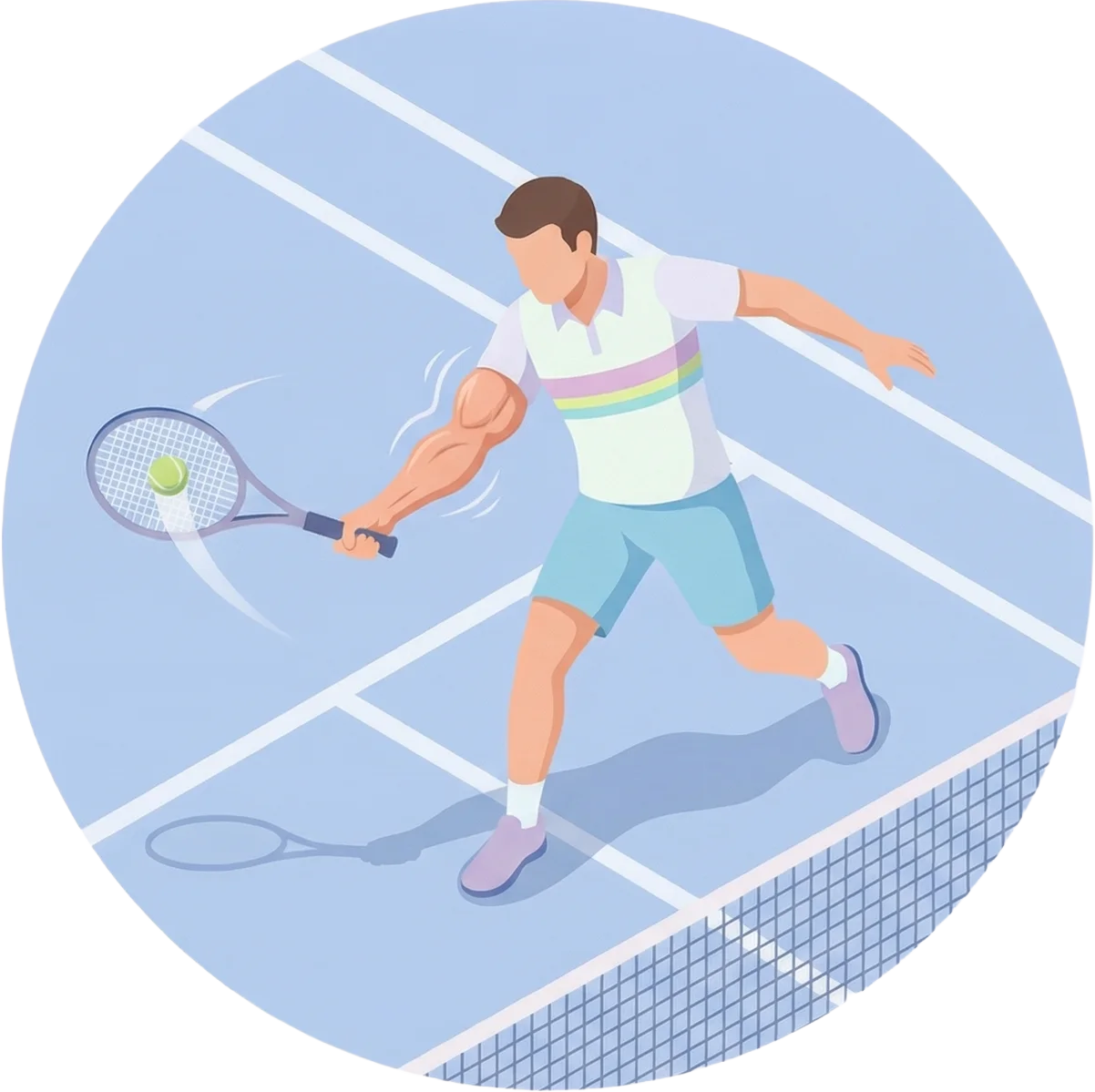
Sports – Assymmetric Movements
Tennis, golf, baseball, archery, soccer, fencing
-
Athletes develop muscle and functional asymmetry due to repeated, one-sided loading. Increases injury risk over time
Partially unilateral sports
- Basketball, volleyball, handball, high/long jump, javelin, shot put
- One leg or arm is strongly dominant
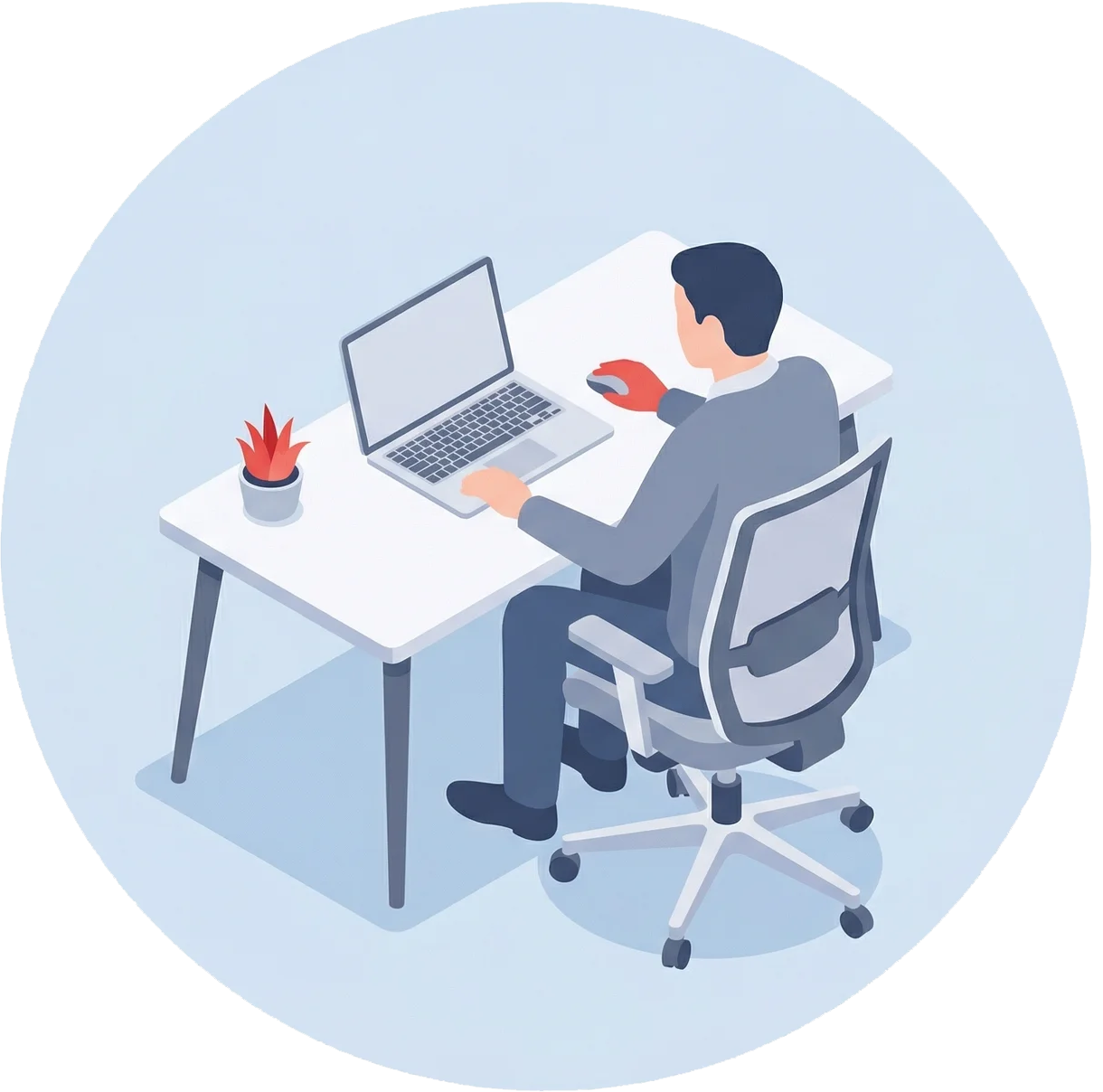
Occupational Assymmetries
Cashiers
- Repeat use of one hand
- Wrist/shoulder overload
- Carpal tunnel syndrome
Office workers
- Mouse
- Posture
- Neck/shoulder complaints
Manual laborers
- Repeated one-sided lifting
- Vibration tools
Musicians
- Violinists (neck side strain)
- Guitarists (left/right hand load)
- Pianists (asymmetry by composition).
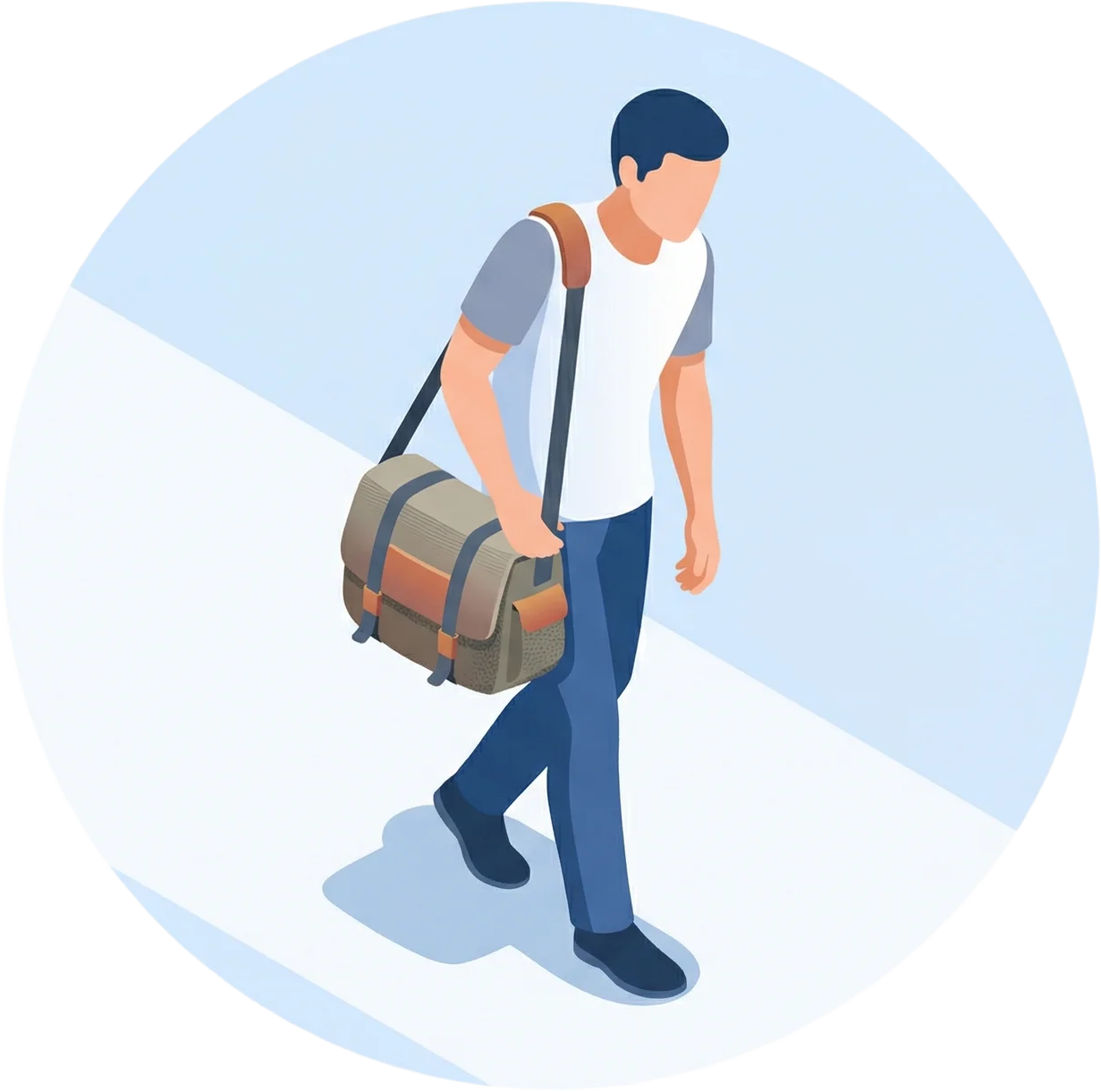
Daily Activities
Carrying
-
Bag on one shoulder, child on one arm
-
Postural problems over time
Sleep
-
Always sleeping on the same side
-
Pillow asymmetry
Technology
-
Phone to same ear, mouse, tablet
-
All with one hand
Household/commuting
-
Sweeping, mopping, cooking, driving, cycling
-
Can cause habitual asymmetry

Age-related/Genetic
Natural
-
Dominant hand/foot/eye
-
Normal, healthy asymmetry
After injury
- Compensatory movement develops after fractures or dislocations
When to see a doctor?
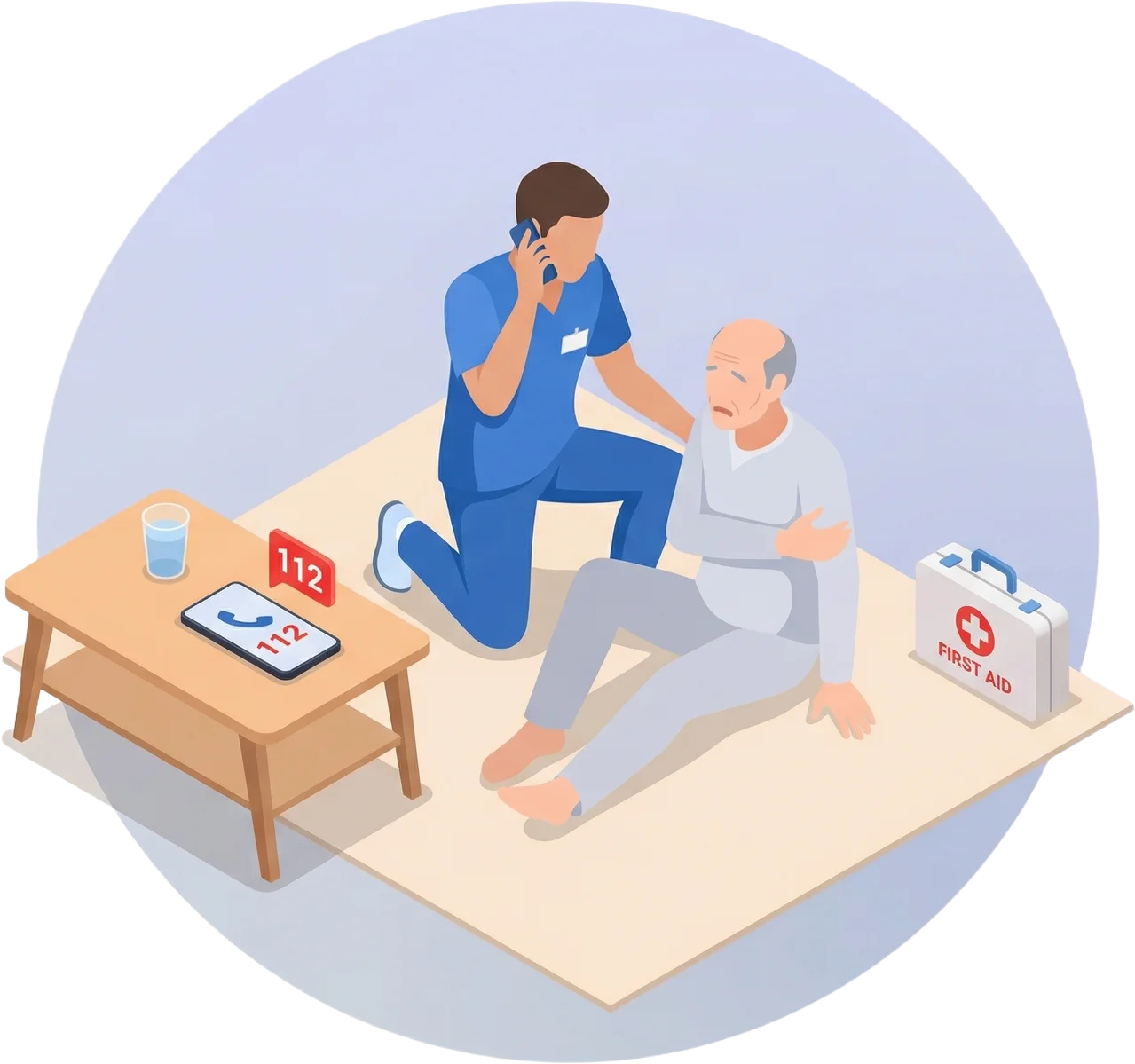
- Sudden, severe asymmetry, paralysis, speech problems: Call a doctor at once—possible stroke!
- Persistent or worsening asymmetry, pain: See a neurologist/rheumatologist.
- Mild or activity-related asymmetry: Monitor and adjust habits as needed.